How do online talking therapy services compare to face-to-face sessions?
Although online talking therapy is nothing new, in recent years it has become a far more popular choice for those seeking help.
The industry has seen a shift in these services being offered as a convenient extra option to a more mainstream way of accessing mental health support – and one that is preferred by lots of individuals.
If you’re new to talking therapy or it’s been a while since your last session, you might be wondering how these two approaches compare and which one is right for you.
In this guide, we’ll share the key differences between online talking therapy and face-to-face counselling services, so you can decide which approach will best suit you.
1. Accessibility and convenience
One of the most immediate differences between online and face-to-face therapy is how accessible they are. For obvious reasons, face-to-face sessions require clients to travel to a physical location.
This can be manageable for those living in towns or cities with plenty of providers in the local area. However, this can be much harder for people in rural areas or those with mobility limitations. In these cases, appointments will need to be scheduled with travel time in mind, and sometimes booked well in advance due to limited availability.
In contrast, online therapy means you can attend your session from home, work, or even while travelling if you have a safe, private space with a stable internet connection. This convenience can make it easier to keep appointments and integrate therapy into a busy lifestyle. For parents and carers, or those with physical disabilities, this flexibility can be transformative.
2. Privacy and comfort levels
Talking about your mental health can feel intimidating and even daunting. And for some people, the thought of going into a clinical setting or therapy room can add to that anxiety. Online therapy offers an extra element of privacy that many find reassuring. Being in your own space or a familiar environment can help you relax and open up sooner. There’s no waiting room, no travel stress, no risk of bumping into someone you know.
However, some clients may worry about their privacy at home, particularly if they live with family members or housemates. Interruptions, background noise, or limited confidential space can make it harder to speak freely, and for some, there can be a worry of being overheard or interrupted during an online session.
Face-to-face therapy sessions offer a dedicated, confidential space designed specifically for therapeutic work. Therapy rooms are neutral, calm environments where privacy is carefully protected. For many clients, this physical separation from home or work provides a sense of safety and containment. Walking into a therapy room can create a psychological boundary — a clear signal that this time is set aside purely for self-reflection and support.
3. The therapeutic experience
The heart of any talking therapy, whether online or in person, is the connection between client and therapist. Empathy, trust and rapport are crucial for positive outcomes.
In face-to-face sessions, the therapist can pick up on subtle body language, micro-expressions, and other non-verbal cues easily and use these to guide the conversation. The shared physical space can also make some people feel more emotionally supported and understood.
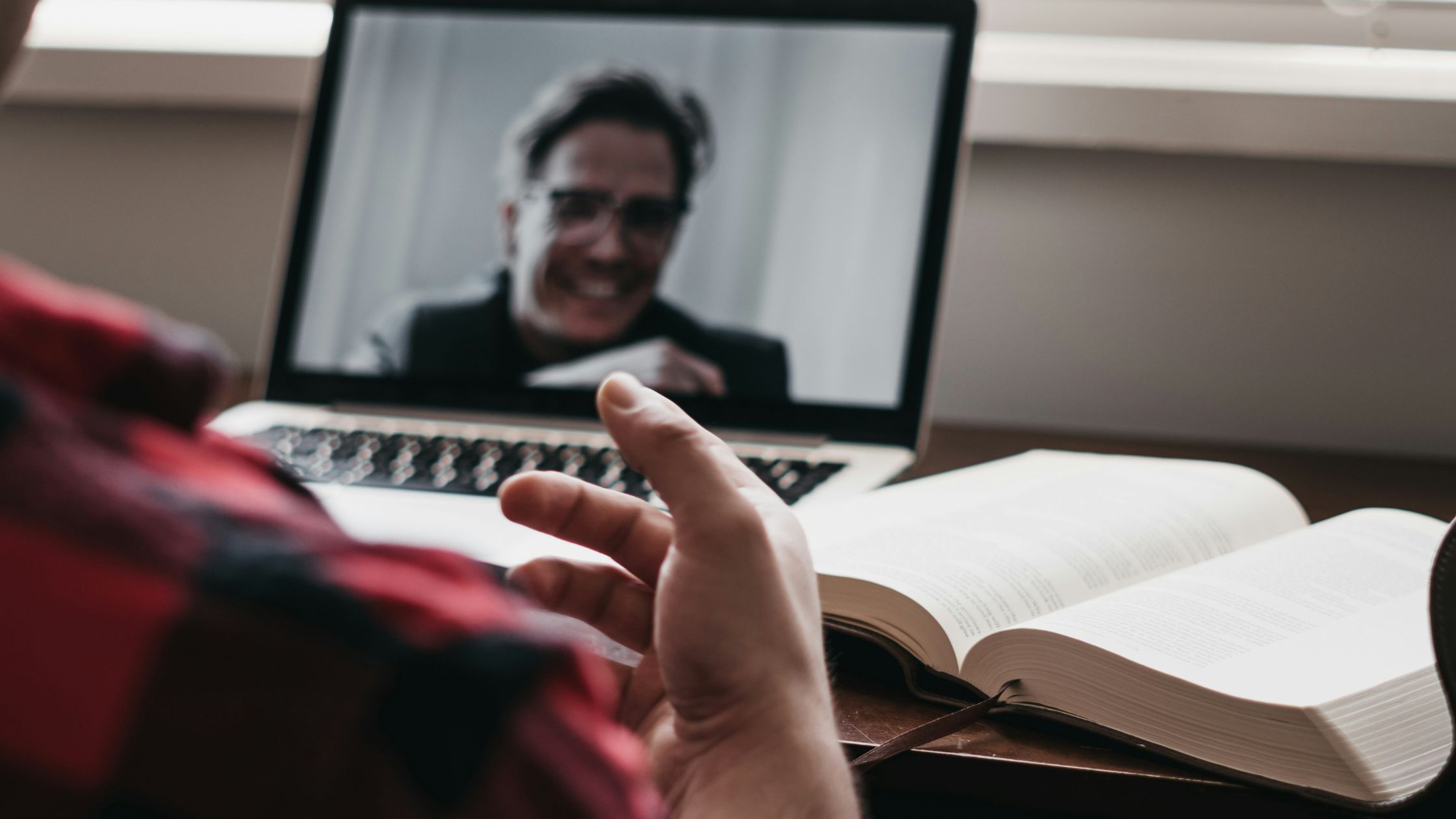
Although online sessions, especially video calls, still allow for eye contact and many other visual cues, the experience can feel different. For some, it can feel more distant or less personal. Technical challenges, such as glitches, delays, or internet interruptions, can also disrupt the flow of a session.
For some, the screen becomes a buffer that actually makes it easier to talk openly, and for many people, the quality of interaction in online therapy is just as deep and meaningful as in-person sessions. In fact, research increasingly suggests that the emotional bond between client and therapist is one of the strongest predictors of therapy success, regardless of format.
4. Effectiveness of treatment based on issues
Evidence so far shows that online therapy can be just as effective as face-to-face therapy for many mental health concerns like depression, anxiety, stress, and trauma-related issues. Cognitive Behavioural Therapy (CBT), counselling, and other talk-based therapies have all been successfully adapted to online formats.
However, some more severe cases or complex issues, such as severe trauma, psychosis or clients with significant safety risks, may benefit from or require more structured, in-person support and monitoring. Therapists will often assess each client’s needs carefully to determine which format is the most appropriate for them.
5. Cost considerations
For many people, cost plays a big role in their decisions about talking therapy. In some cases, online therapy can be a more affordable option. Therapists may have lower operational costs (no clinic rental, for example), and these savings can be passed on to clients. Additionally, eliminating travel expenses and time off work can make therapy more cost-effective overall.
Face-to-face sessions may cost more in some cases, particularly if the therapist is based in a city centre or has long waiting lists. That said, many people feel that the in-person experience is worth the cost due to the added depth of connection and setting. And some therapists will charge the same rates whether in-person or online, it’s all about location, accessibility and ultimately the choice of the therapist.
6. Flexibility and options
Online talking therapy has expanded the range of options available to clients. You can access different types of support, from live video sessions to text, email and app-based programs, depending on your preferences and needs.
This variety gives people more choice in how they engage with therapy. Some people may choose to combine both online and in-person sessions, or use online tools between traditional appointments.
Face-to-face therapy hasn’t disappeared; for many, it remains the preferred or most effective route. What’s changed is that clients now get to choose a mode that best fits their lifestyle, comfort, and therapeutic goals, and in lots of cases, they choose to use a mixture of techniques.
Summary of the key comparisons between online talking therapy services and in-person sessions
It’s clear that there are some key differences between online talking therapy and face-to-face sessions. Let’s quickly recap on what these are:
Accessibility and convenience
-
- In-person therapy sessions are more accessible to those in towns and cities
-
- Those living remotely or those with mobility or childcare issues might require remote online therapy to avoid having to travel
Privacy and comfort levels
-
- Online sessions allow participants to conduct sessions from home or a chosen location
-
- Face-to-face therapy sessions offer a dedicated, confidential space free from distractions
The therapeutic experience
-
- In face-to-face sessions, the therapist can pick up on subtle body language, micro-expressions, and other non-verbal cues they might miss when conducting the session online
Cost considerations
-
- In some cases, online or remote talking therapy can be more budget-friendly, but this very much depends on the therapist and their set rates
Effectiveness of treatment based on issues
-
- Online therapy can be just as effective as face-to-face therapy for many mental health issues
-
- However, for more severe trauma, psychosis or clients with significant safety risks, face-to-face sessions may be required and more effective
Flexibility and options
-
- Online talking therapy has expanded the range of options, including phone, video, text and dedicated apps
-
- Some may like to combine both online and in-person talking therapy sessions
As we’ve said, the key to any successful talking therapy session, no matter whether that’s online or in person, is the connection between you and your therapist. Empathy, trust and rapport are vital, so whether you choose online or face-to-face sessions, it’s all about finding a therapist you trust and a format that supports your well-being and growth.
At Cypselae, we understand that every person’s journey is unique. Whether you choose online sessions, face-to-face appointments or a blend of both, the most important thing is that you feel supported, heard and empowered to take positive steps forward.
If you’d like to know more about the counselling services I offer or to book a free 20-minute phone assessment, contact me today.